

If you own or live in a charming half-timbered home, you know that maintaining its timeless beauty while ensuring optimal energy efficiency can be quite a challenge. Learn more about this awesome architectural legend at https://www.wz.de/ratgeber/haus-und-garten/bauen-und-wohnen/eine-kurze-geschichte-der-fachwerkhaeuser-in-deutschland_aid-86096929.
But fear not, because we’re here to help you combat those challenges and keep your cozy abode warm and snug all year round. Today, we’ll be exploring some simple yet insulation solutions specifically designed for half-timbered houses.
Gap Analysis to Combat the Challenges

One of the key challenges in insulating a half-timbered house lies in addressing the gaps and voids that are often present within its structure. Conducting a thorough gap analysis is crucial to identify areas where heat loss or cold air infiltration may occur. This can be done by visually inspecting your home’s exterior and interior for any noticeable gaps or cracks.
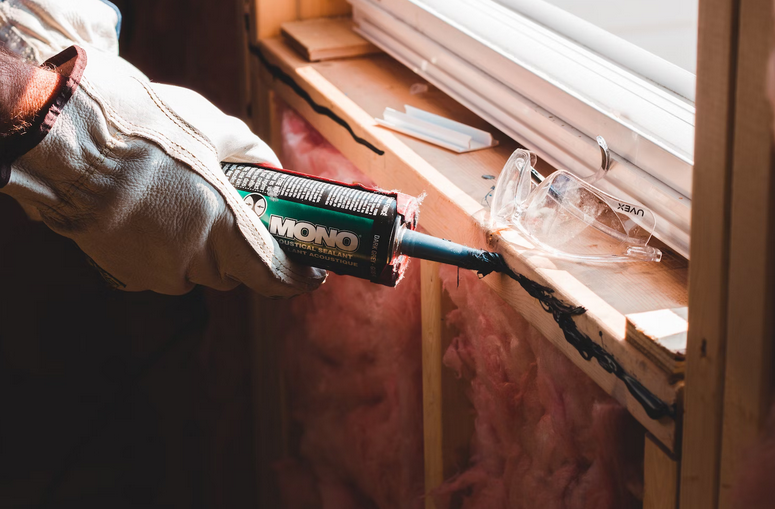
Once you have identified the problem areas, it’s time to take action. One effective method is using sealants or caulking products specifically designed for use on timber frames. These sealants help fill in gaps and create an airtight barrier against drafts and moisture ingress. Another option is using expanding foam insulation, which expands upon application and fills even the smallest crevices effectively.
Natural Insulation Materials
Using natural insulation materials can be a real game-changer. These materials not only provide excellent thermal performance but also have the added benefit of being environmentally friendly. One such material is sheep’s wool. Known for its exceptional insulating properties, sheep’s wool is an eco-friendly and renewable resource that can effectively regulate temperature and moisture levels within the house.
Another popular natural insulation option is cellulose insulation, which is made from recycled paper treated with non-toxic chemicals to make it resistant to pests and mold. This type of insulation offers great soundproofing qualities as well. Aside from these, there are also cork, hemp fibers, and straw bales.
Internal Insulation Layers
This method involves adding insulation materials to the interior walls of the house, helping to improve thermal performance and reduce heat loss. One option for internal insulation is using rigid foam boards or panels. These can be easily installed onto the walls, creating a rigid layer of insulation that helps better regulate indoor temperatures.
To ensure maximum effectiveness, be sure to properly install these insulation layers. Care should be taken to seal any gaps or cracks in the wall before installing the insulation materials. This will help prevent air leakage and maintain a consistent temperature inside the house. In addition to improving energy efficiency, internal insulation layers can also enhance comfort by reducing drafts and cold spots within rooms.
Secondary Glazing for Windows
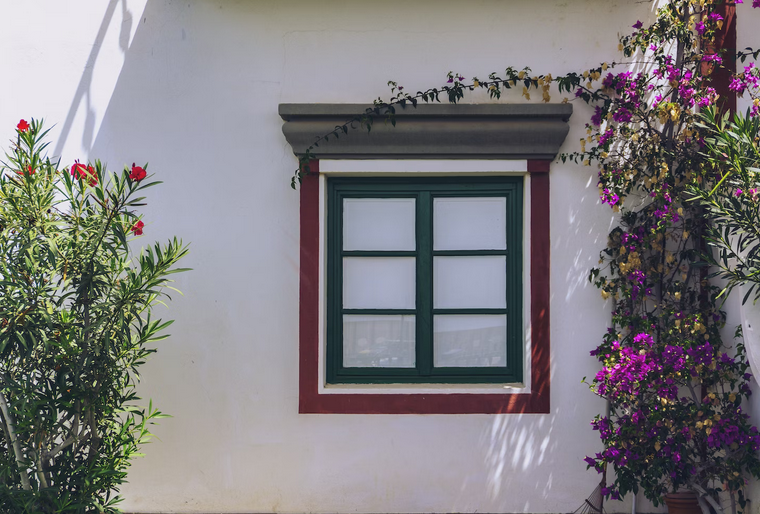
Properly insulating your windows can make a significant difference in maintaining a comfortable indoor temperature and reducing energy costs. That’s where secondary glazing comes in handy. Unlike double glazing or replacing the windows entirely, secondary glazing involves adding an additional layer of glass or acrylic to the existing window frame.
This creates an extra barrier against drafts and noise infiltration. Secondary glazing offers several benefits. However, the key benefit is to help reduce heat loss through the windows by creating an insulated pocket of air between the original pane and the secondary layer. This added insulation can greatly improve thermal efficiency.
Insulating half-timbered houses requires careful consideration due to their unique construction style. However, by employing gap analysis techniques and utilizing natural insulation materials like sheep’s wool or wood fiber along with internal insulation layers and secondary glazing for windows, homeowners can significantly improve energy efficiency without compromising on the historical character of these beautiful homes.