

Home renovation is an exciting journey that can transform your living space into something extraordinary. Whether you’re looking to create a cozy nook or completely reimagine your home, the process often begins with demolition. But here’s where it gets tricky should you opt for partial demolition, keeping some of the original structure intact, or go all in with full demolition? Each approach has its merits and drawbacks. This is where experienced demolition contractors come in, helping you assess the best course of action based on your specific needs. Understanding these options is crucial before diving headfirst into your project. The choice between partial and full demolition will significantly impact not just the look of your finished space but also your budget, timeline, and overall experience. Let’s explore what each option entails so you can make an informed decision about how best to proceed with your home renovation adventure.
Pros and Cons of Partial Demolition
 Partial demolition can be a savvy choice for many homeowners. It allows you to retain some of your existing structure while making significant changes. One major advantage is cost-effectiveness. By keeping parts of your home intact, you save on materials and labor. It’s also quicker than full demolition, reducing the time you’re in disarray. On the flip side, partial demolition can sometimes lead to complications during construction. Mismatched styles or structural weaknesses may arise as new elements are introduced.
Pros and Cons of Full Demolition
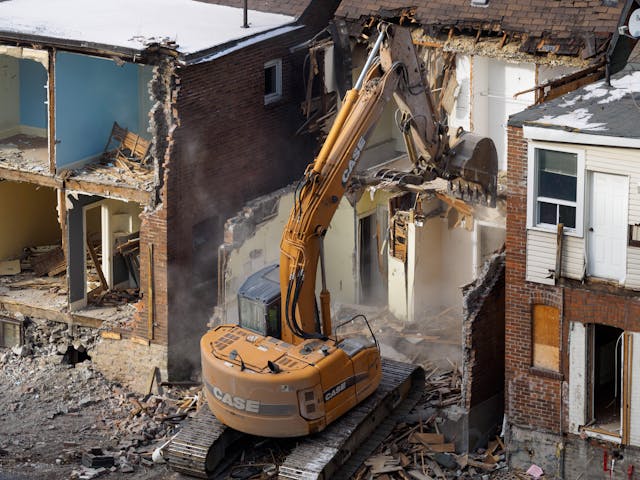
Full demolition can be a transformative approach to home renovation. It offers the opportunity to start fresh, allowing homeowners to design their dream space without limitations. One significant advantage is complete control over the layout. You can reimagine every aspect of your home, from room placement to architectural style. This results in a more cohesive and functional living environment. However, full demolition isn’t without its drawbacks. The process can be time-consuming and may require extensive planning and permits. Additionally, it often leads to higher costs due to debris removal and reconstruction.
Factors to Consider When Deciding Between Partial and Full Demolition
When deciding between partial and full demolition, several factors come into play. First, consider the structural integrity of your home. If key support beams are compromised, a full teardown might be necessary. Next, evaluate the scope of your renovation goals. Are you updating specific areas or reimagining entire spaces? Partial demolition is suitable for targeted renovations like kitchen upgrades or bathroom expansions. Building codes and regulations also matter. Local laws may dictate what can stay and what must go. It’s crucial to research these requirements early on.
Types of Renovations That May Require Partial or Full Demolition
Home renovations can vary significantly in scope. Understanding which approach to take depends on your goals and the extent of changes needed. If you’re updating a kitchen or bathroom, partial demolition might suffice. Removing cabinets, countertops, or walls could create the open space desired without tearing everything down. Conversely, if you’re looking to change the layout entirely or add square footage with an extension, full demolition is often necessary. This allows for a fresh start and ensures that structural integrity is maintained throughout the process.
The Cost Difference Between Partial and Full Demolition
When it comes to costs, partial and full demolition can vary significantly. Partial demolition often requires fewer resources and less labor. You might save on disposal fees too since you’re not tearing down an entire structure. On the other hand, full demolition is more complex and generally pricier. It includes site preparation, permits, and potential environmental assessments if hazardous materials are involved. The cost of removing a whole building can add up quickly.
Tips for a Successful Home Renovation With either Approach
Start by setting a clear vision for your renovation. Define what you want to achieve, whether it’s more space or an updated aesthetic. Next, prioritize communication with your contractor. Regular check-ins can prevent misunderstandings and keep the project on track. Don’t overlook permits. Ensure you have all necessary approvals before starting work to avoid delays later on. Stay flexible during the process. Unexpected challenges may arise, so be ready to adapt your plans as needed. Budget wisely, accounting for both expected costs and contingencies. It helps to set aside extra funds in case of surprises.
In Conclusion
When it comes to home renovation, choosing between partial and full demolition is a significant decision. Each approach has its unique advantages and challenges, depending on your goals for the space. Partial demolition can breathe new life into your home while preserving some of its original charm. However, it may not always provide the fresh start you envision. On the other hand, full demolition offers a clean slate but often involves greater costs and time commitments. Knowing what type of renovation you’re aiming for can help clarify which method suits your needs best.